
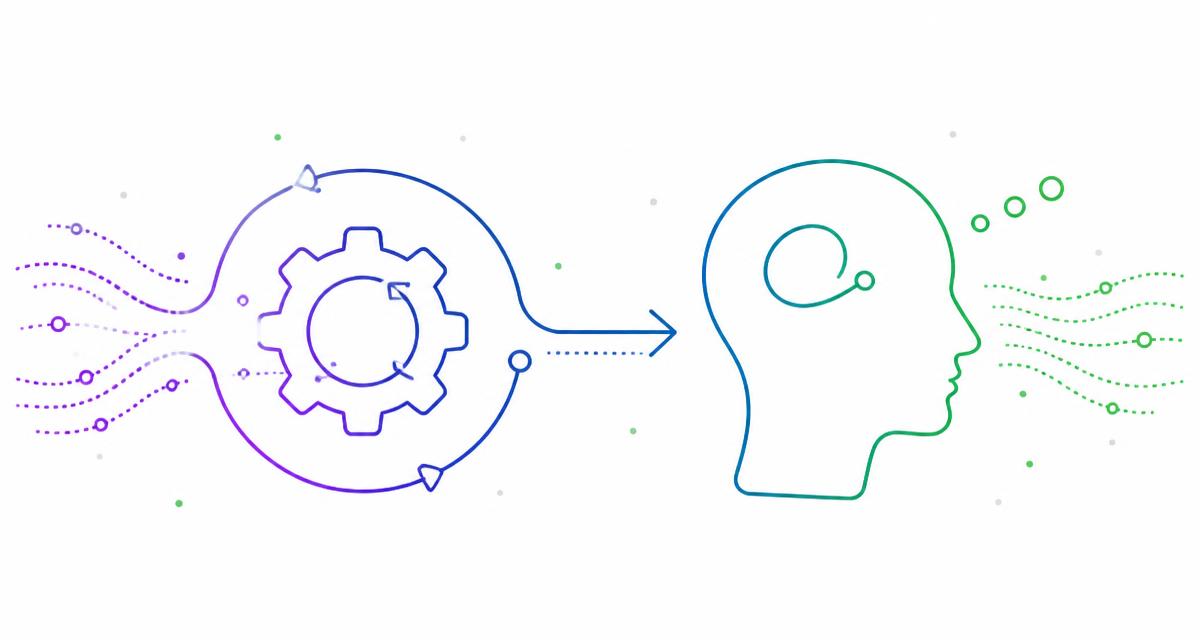
SMEs don't need more automation. They need the right automation, and the discipline to know where a workflow removes friction and where it quietly removes trust.
Every SME founder has heard the pitch
Automate everything, save time, scale faster. So they turn on every workflow Zoho CRM offers: auto-assignment, auto-follow-ups, auto-scoring, auto-everything.
Three months later, leads are falling through cracks nobody remembers building. Follow-up emails sound robotic. A hot prospect gets the same generic sequence as someone who filled a form by accident.
The problem was never automation itself. It was automating without asking which parts of the sales process actually need a human brain behind them. For a lean team, the real skill isn't turning on more workflows. It is knowing where automation helps and where it hurts.
What Zoho CRM actually does for an SME
At its core, Zoho CRM gives small and mid-sized businesses the infrastructure that larger companies take for granted: one place where every lead, call, email and deal stage lives.
- Lead capture and routing. Pulling in leads from web forms, ads and email, then routing them to the right salesperson.
- Pipeline visibility. Seeing exactly which deals are stuck, which are moving and which have gone cold.
- Activity tracking. Logging calls, meetings and follow-ups so nothing depends on one person's memory.
- Basic reporting. Conversion rates, response times and rep performance without building a spreadsheet from scratch.
None of this replaces a sales team. It replaces the notebook, the scattered spreadsheet and the "I thought you followed up with them" conversation. That is the real starting value, before automation ever enters the picture.
Why SMEs should automate their sales process
Automation earns its place when it removes repetitive, low-judgment work: the tasks a person does the same way every single time, where speed and consistency matter more than nuance.
- Lead assignment. Routing a new lead to the right rep instantly instead of waiting for someone to notice it in a queue.
- Data entry and logging. Capturing call outcomes, email opens and form submissions automatically.
- Reminders and task creation. Nudging a rep when a deal has gone quiet for X days.
- Basic nurture sequences. Early-stage emails to cold or top-of-funnel leads who haven't engaged with a human yet.
- Internal notifications. Alerting a manager when a high-value deal moves stages or stalls.
These are the moments where a system is faster, cheaper and more reliable than a person, and where a person's time is better spent elsewhere. It is also where SMEs see the fastest ROI, because the tasks were never adding strategic value in the first place.
What SMEs should not fully automate
This is where most SMEs get it wrong. Not by automating too little, but by automating the parts of the process that actually require judgment.
Keep it human
- First touch with high-intent leads
- Objection handling
- Deal negotiation and custom terms
- Escalations and complaints
- Final-stage nurturing on key accounts
Why it matters
- A specific pricing question deserves a real answer, not a template
- No workflow reads tone, hesitation or the reason behind "not right now"
- Relationship context can't be weighed by a rule
- An unhappy client needs to feel heard by a person
- The closer a deal is to signing, the more human it should sound
Automate the volume, keep humans on the value. The moment a lead shows real intent or a relationship needs care, automation should step back, not take over.
The biggest mistake: set it and forget it
Most SME automation doesn't fail because the workflow was wrong on day one. It fails because nobody looked at it again after day one.
A follow-up sequence built for a specific campaign keeps firing months after that campaign ended. A lead-scoring rule set up early stays untouched even as the business, pricing or ideal customer changes. A workflow built by someone who has since left the company keeps running exactly as configured, silently and increasingly wrong.
Automation without governance isn't a system. It's a liability with a delay on it.
What actual governance looks like for an SME:
- A named owner for every automated workflow, not just "the CRM".
- A monthly review of automation performance: response rates, drop-offs, complaints tied to a sequence.
- A clear log of what triggers what, so no one is reverse-engineering the system during a crisis.
- A kill-switch mindset, so anyone senior enough can pause a workflow the moment something looks off.
This is the same discipline we argue for in why AI for sales needs human-in-the-loop and strict governance.
What happens without governance
This isn't only an SME problem. It is the same failure pattern that took down one of the world's biggest brands, just at a bigger scale.
In the early 2000s, Nike tried to modernise its supply chain by integrating a new ERP and CRM system to automate demand forecasting and ordering. The idea was sound: let the system predict what would sell and automatically trigger orders instead of relying on manual forecasting.
The rollout leaned almost entirely on the automated forecasting engine, which didn't account for enough historical sales data or regional demand differences. Nobody was positioned to catch the model's errors before they became orders, and by the time the mismatch surfaced the damage was done: warehouses full of sneakers nobody wanted, and empty shelves for the styles that were actually selling.
The failure wasn't the automation itself. The company had automated a decision that still needed human context, then removed the visibility that would have let anyone step in before it went wrong. (Source: SyncMatters, "Why CRM Implementations Fail")
Scale that down to an SME's Zoho CRM setup and the lesson lands the same way. A lead-routing rule, a follow-up sequence or a scoring model built on last quarter's assumptions doesn't announce that it has gone stale. It just keeps running confidently, consistently and increasingly out of step with reality, until someone finally asks why the numbers look off.
Where humans and automation work best together
The strongest SME setups don't treat automation and human judgment as competing forces. Automation clears the runway so humans can do the parts that matter. Think of it as a relay: automation runs the first leg, a human takes the baton right where it counts.
| Automation does this | So a human can do this |
|---|---|
| Capture data | Validate what's actually important |
| Assign leads | Decide strategic ownership |
| Send reminders | Have meaningful conversations |
| Trigger emails | Personalise high-value communication |
| Create tasks | Prioritise activities |
| Update records | Handle exceptions |
| Generate reports | Interpret the numbers |
| Follow predefined rules | Make judgment calls |
Read it as a pattern, not a checklist: automation notices and remembers, humans decide and relate. The same handoff shows up in the day-to-day flow of a deal:
- Automation flags a lead as high intent based on behaviour, a human decides how to approach them.
- Automation logs every touchpoint, a human uses that history for a smarter conversation instead of starting from scratch.
- Automation nurtures cold leads on a long timeline, a human steps in the moment a lead re-engages.
- Automation drafts a follow-up reminder, a human decides whether to send it as-is, personalise it, or skip it.
Neither column works alone. Automation without the human side becomes noise: data nobody validates, reports nobody interprets. Humans without the automation side burn out on busywork that never needed a person. The SMEs who get this right are building the handoff deliberately, at every step.
How to start without over-automating
You don't need a mature governance framework or ten interconnected workflows on day one. A slower, more deliberate start actually reaches reliable automation faster.
- Map the process before automating it. Write down what actually happens from lead to close today, not what should happen.
- Automate one repetitive step first. Pick the task with the least judgment involved. Lead assignment or activity logging are usually safe starting points.
- Watch it for a few weeks before adding the next one. Confirm it behaves across different lead types, not just the obvious cases.
- Assign an owner to every workflow you turn on. If no one can say who owns it, it isn't ready to go live.
- Build in a review point from day one. Even a simple monthly check-in prevents the set-and-forget drift.
- Keep every high-judgment interaction manual until proven otherwise. Let automation earn its way into the sensitive parts of the pipeline.
Slower to set up, far cheaper to fix when something changes. And something always changes.
Automation should reduce chaos, not create it
Zoho CRM gives SMEs the tools to run a sales process that doesn't depend on memory, notebooks or luck. Automation is what makes that process scale without adding headcount for every repetitive task.
But automation was never meant to replace judgment, only to protect it by clearing out the noise that gets in its way. The SMEs that get this right aren't the ones with the most workflows. They are the ones who know exactly which parts of their pipeline need a system, which parts need a person, and who is responsible for making sure both keep working the way they were meant to.
Automation should make a sales process feel calmer and more predictable. The moment it starts creating confusion or silence instead, that's not a sign to automate more. It's a sign to look closer.
Frequently asked questions
What should an SME automate first in Zoho CRM?
Start with the lowest-judgment task in the pipeline, usually lead assignment or activity logging. Both are rule-based, run the same way every time, and fail visibly if something is wrong. Watch that one workflow for a few weeks before adding the next.
What should never be fully automated in a CRM?
First-touch conversations with high-intent leads, objection handling, deal negotiation, escalations and complaints, and final-stage nurturing on key accounts. Anything that needs tone, context or a judgment call should stay with a person.
Why do CRM automations fail after a few months?
Because nobody looks at them again. A sequence built for one campaign keeps firing after it ends, a lead-scoring rule stays frozen while pricing and the ICP move on, and a workflow built by someone who has left keeps running exactly as configured. The failure is governance, not logic.
What does CRM automation governance look like for a small team?
A named owner for every workflow, a monthly review of response rates and drop-offs, a clear log of what triggers what, and a kill-switch mindset so anyone senior can pause a workflow the moment it looks wrong.
Does Zoho CRM replace a sales team for an SME?
No. It replaces the notebook, the scattered spreadsheet and the missed follow-up. Automation clears repetitive work so the team can spend its time on the conversations that decide whether a deal closes.
Want a Zoho CRM setup that doesn't drift?
Book a free 30-minute Sales Diagnostic. We will look at your pipeline, your current workflows and where automation is helping or quietly hurting, then give you a straight recommendation.
Book your free Sales Diagnostic →